The Sinking City

Wet socks are intolerable. And in Venice, it may very well be inevitable.

‘The Floating City’ is sinking.

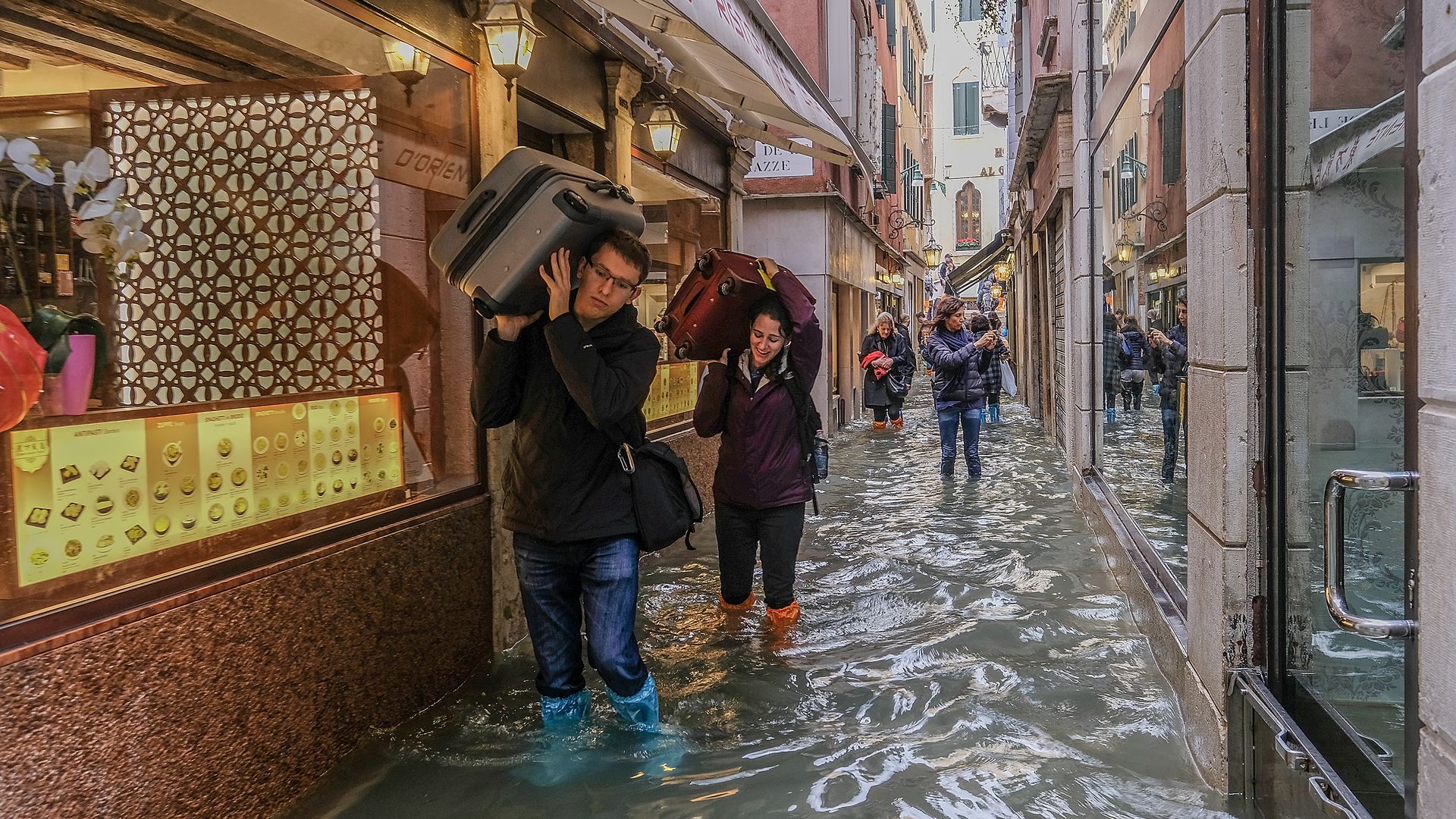
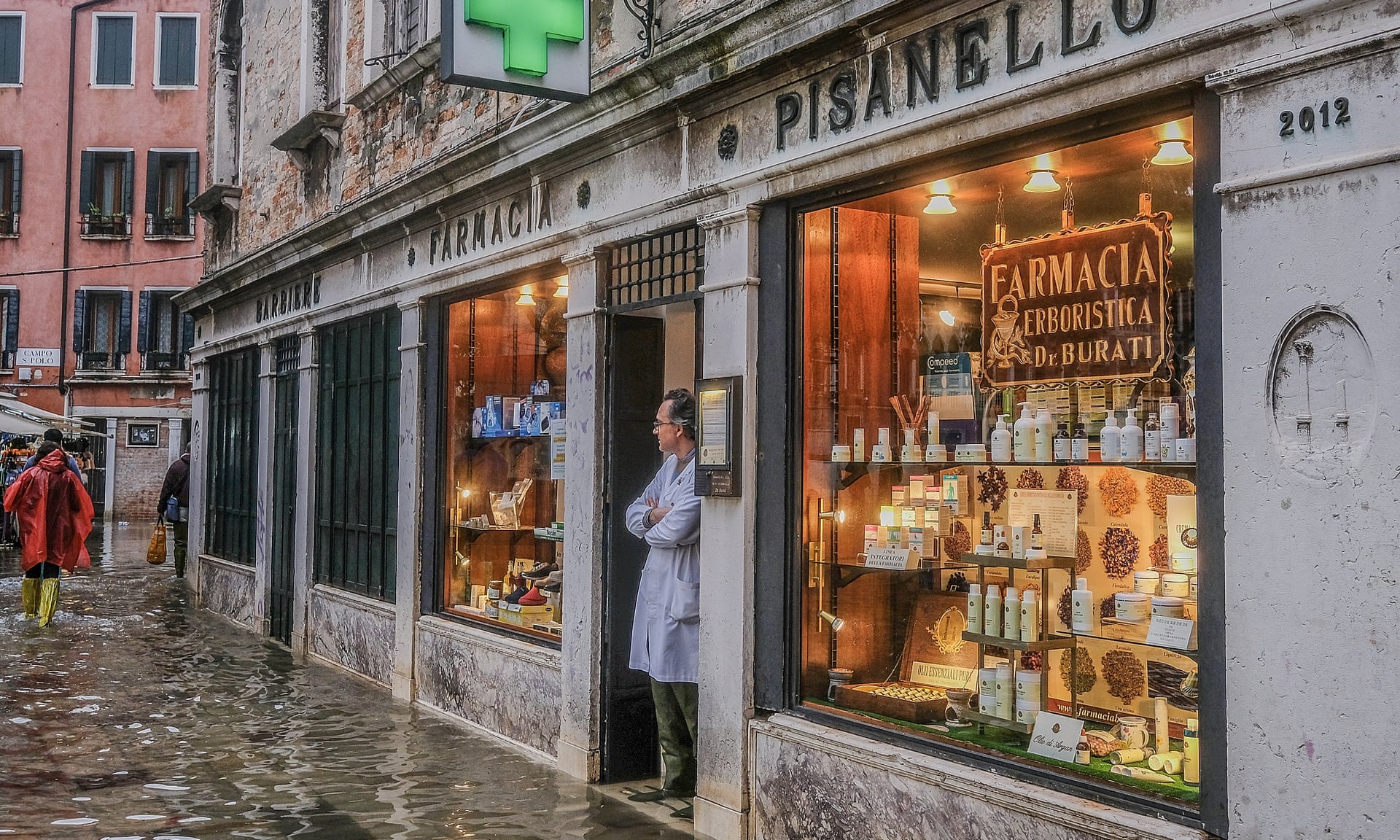
Between high winds, tides, and climate change, flooding in Venice has become almost a weekly occurrence. Compared to the relative dryness of Melbourne, Venetian climate is not only humid, but often drowned in water. From flooding only four times in the year 1900, Venice now suffers from over 60 floods per year. Flooding has thus become an intrinsic regularity of Venetian culture. In other words, the rhythms of water have seeped into the lifestyle of the locals.

For travelers then, I imagine this flooding bring with it a certain cultural confusion when Venetian canals and streets become indistinguishable, submerged in inches or feet of murky water. For tourists, flooding stores, restaurants, and landmarks, the once beautiful city of Venice becomes far less picturesque, and far more distressing. And as the flooding becomes increasingly frequent – to the extent that experts predict Venice will be completely overflowed by 2100 – both locals and travelers are left no choice but to adapt or leave.
This blog and the research it involves is therefore an effective way of minimizing culture confusion and shock. And in the likely event this preparation is not enough, patience will be crucial because – while you can blame climate change and those who neglect its effects – there is no singular entity to blame for the floods. It’s nature.

Though the flooding is what I predict will incite culture confusion, it only makes sense that the only thing predictable about culture shock is its unpredictability.
Essentializing Venice

Having never actually set foot in the city, it is difficult to avoid essentializing Venice.

As one of the most iconic and recognizable cities of one of the most culturally influential countries, Venice is a natural target of misconception. For some, earlier entries of this blog on the canals of Venice and Libreria Acqua Alta could be criticized as having condensed and misconstrued the Venetian experience. However, in the extensive research dedicated to this blog, one misrepresentation of Venice floats above the rest: “Venice is a tourist destination.”

From Facebook posts to renowned travel guides, Venice is repeatedly – frustratingly – referred to as an essential city for any traveler to visit. This in itself is not problematic. Venice is indeed beautiful and unique; a city deserving of appreciation and – more importantly – of respect. Unfortunately, however, while the city receives a large quantity of visitors per year, the relative respect for the city is arguably disproportionate.

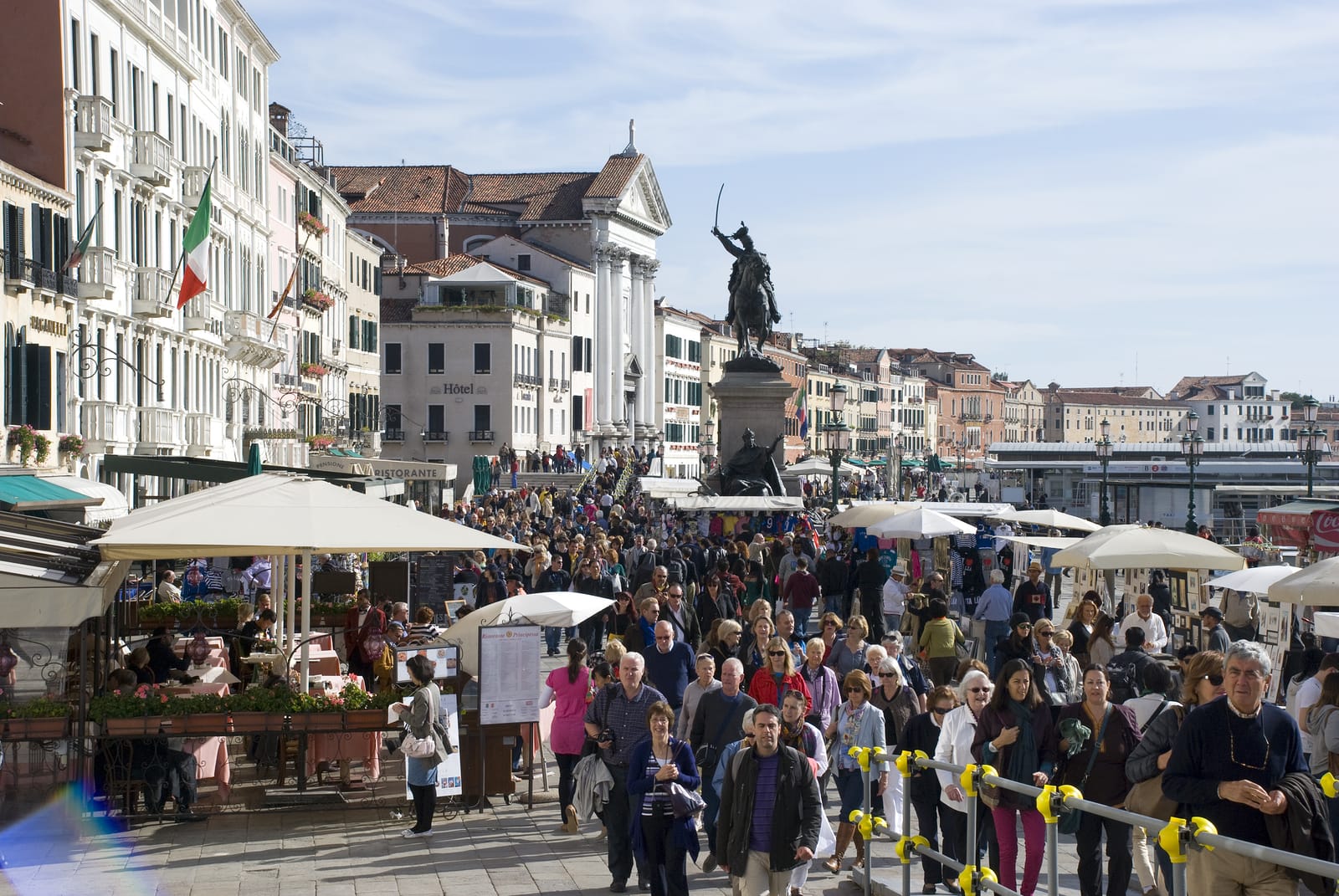
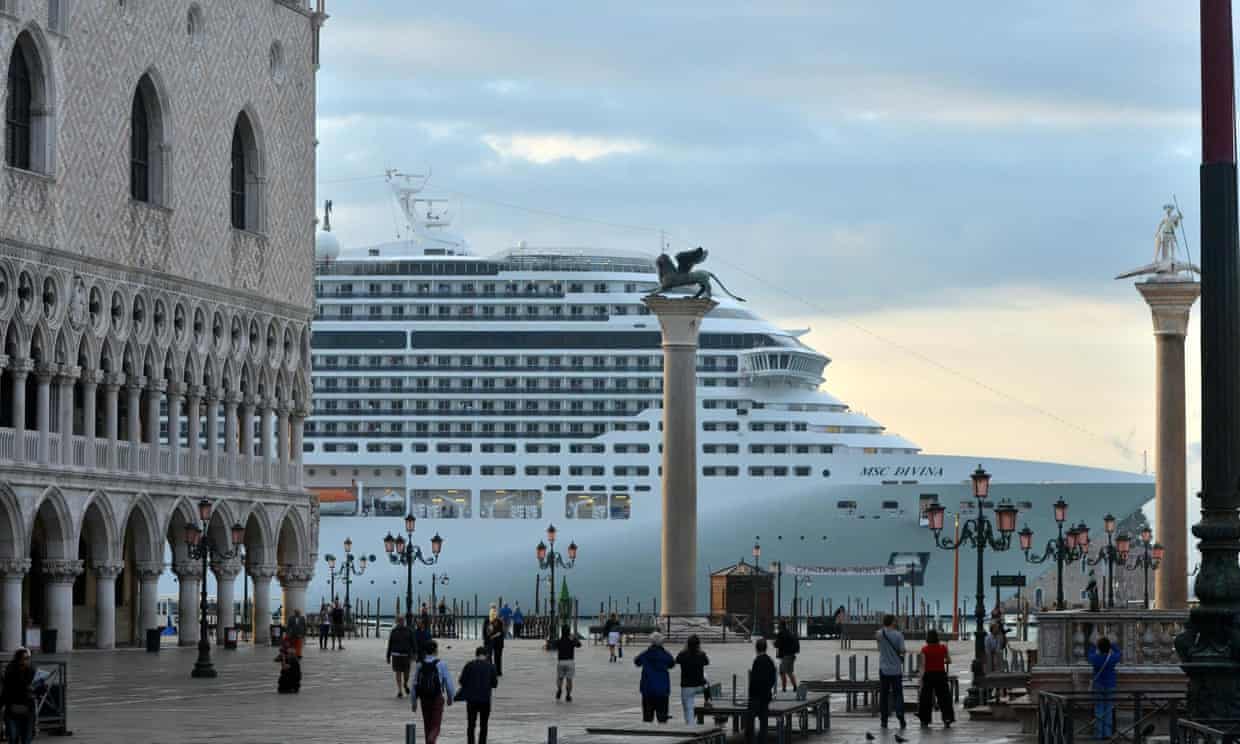
A tedious amount of media – photos, videos, articles – are dedicated on placing the tourist experience on display. Selfie-spots, restaurants where celebrities ate, and other shallow attractions are advertised at the expense of the lifestyle and concerns of the locals. While tourism is crucial to Venetian economy, it is also detrimental to almost every other aspect of life in Venice, from the personal to the environmental.

What most know about Venice then, is the essence of tourism rather than the complex social, political, and cultural values that flow throughout the city and its people. As an apparent tourist destination, Venice is diluted as a temporary station for travelers, rather than a living, breathing nest of people and processes.

Essentialism forgets that Venice is – for many – home.

The Library of High Water

Cities and cultures are often self-portraits of the art that it produces and values, even (especially) if it not formally recognized. And in Venice, less than a 10-minutes stroll (or swim) from St. Mark’s Square and you may come across an unusual Venetian bookstore that is as much an artwork – a statement – of Italian values and lifestyle as any other in the city.

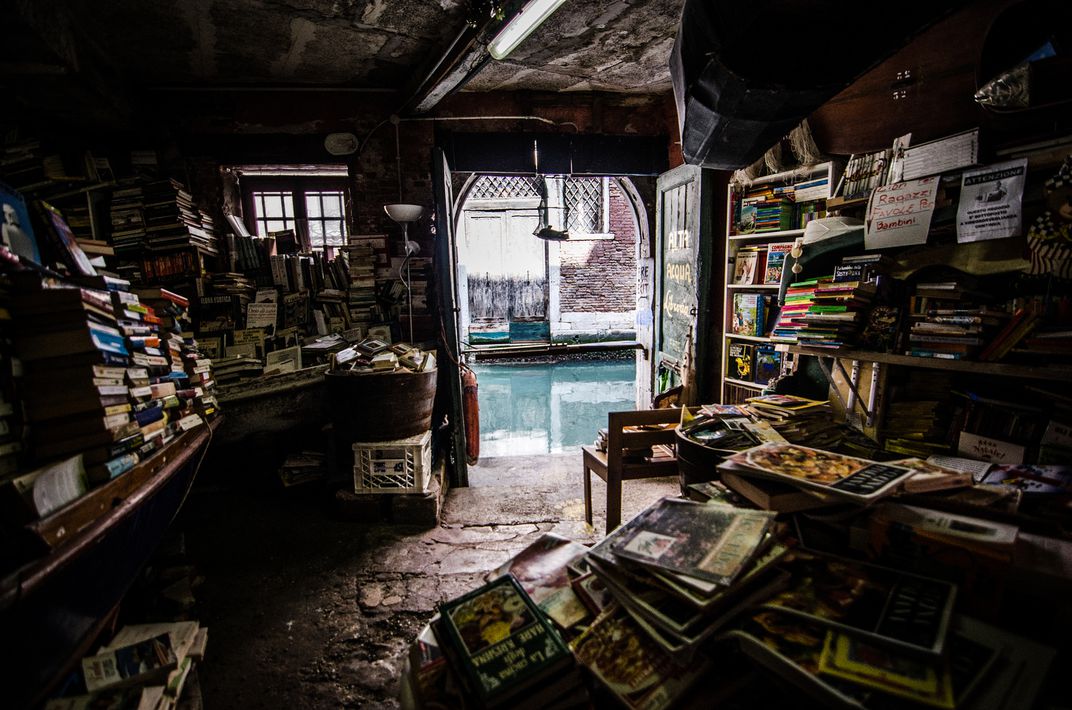
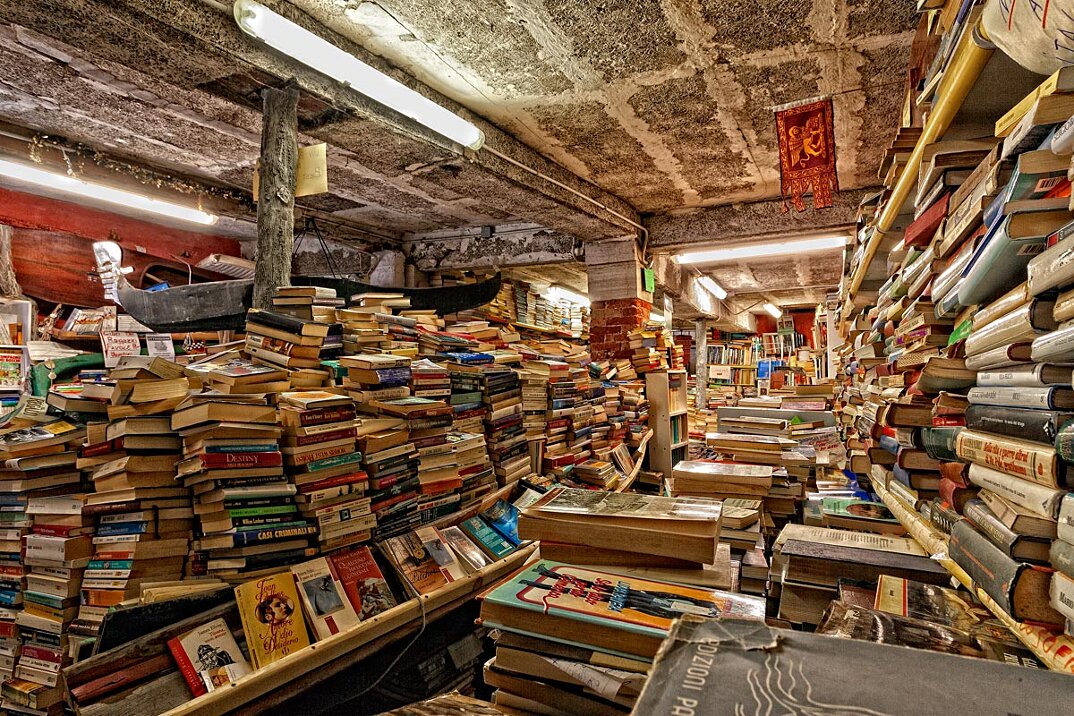
In a city like Venice – one seized by waterways – a bookstore has little, if any business existing at all, let alone right next to a canal, but The Libreria Acqua Alta, or “Library of High Water” is stubborn. And so, in spite of the flooding and increasingly erratic behavior of the canals that flow beside, and frequently into, the bookstore – it stands, often in inches of water.

But this bookstore is adaptable, and in order to compensate for existing in Venice, books inside the store are stacked high, some in water-proof bins and bathtubs, and others in a novel collection of gondolas and canoes that almost appear as if awaiting a high tide. Upon closer inspection, the store’s rustic layout resonates with history, whether it be the fire escape that amusingly leads straight to canals, the staircase fashioned from old encyclopedias, or the litter of stray cats that call the store home.

So, with its peculiar existence, The Libreria Acqua Alta has become something of an unofficial landmark, a creative representation of Venetian lifestyle. It serves as both a unique response to residing in Venice, and a reminder of the steadfast attitudes that persists throughout Italian culture.

About:

This is a travel blog. And by default, I am therefore a travel writer. But while I have done a lot – maybe too much – writing, my experiences with travelling are shall we say: limited. This begs the question:

What expertise or perspective then am I offering through this blog?

Well, expertise: none at all. But perspective: this blog offers a unique and rare look into travelling from an aspiring traveler, rather than a seasoned one. In other words, travel blogs from frequent travelers exist out there in overwhelming volume, velocity, and diversity. But very few travel blogs provide the inexperienced, optimistic almost naive perspective that this one provides.

By looking at Venice – an endangered city – through this lens of hopeful anxiety, this is therefore a project of reflection and education for both reader and writer of this blog. For travel is the best way we have of rescuing the humanity of places, and saving them from abstraction and ideology.

In Neptune’s Grasp

What defines Venice? Is it the gondolas that serve as public transportation for the Venetian populous? Or, is it the seafood that attracts travelers, feeds locals, and fuels the economy?

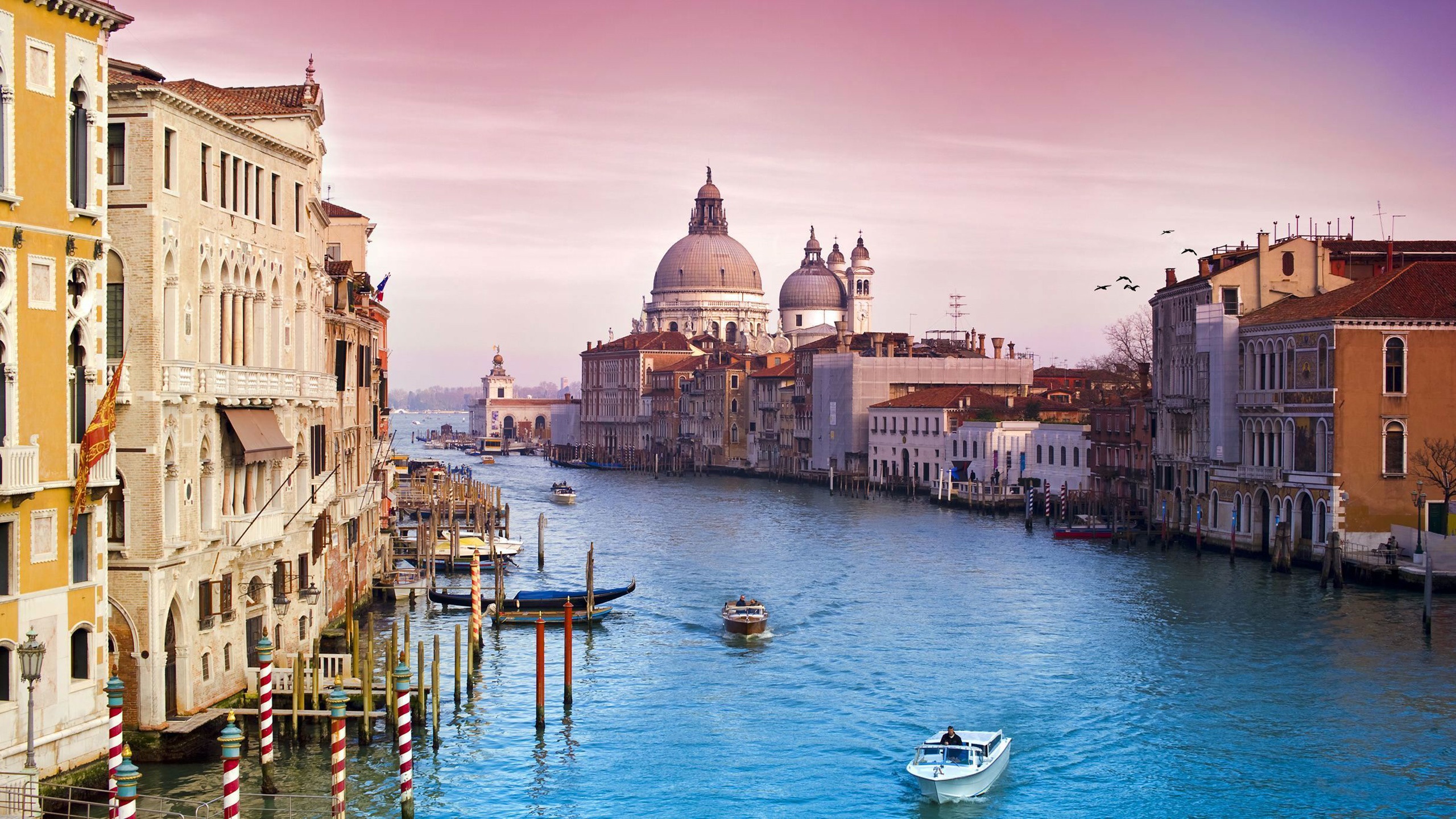
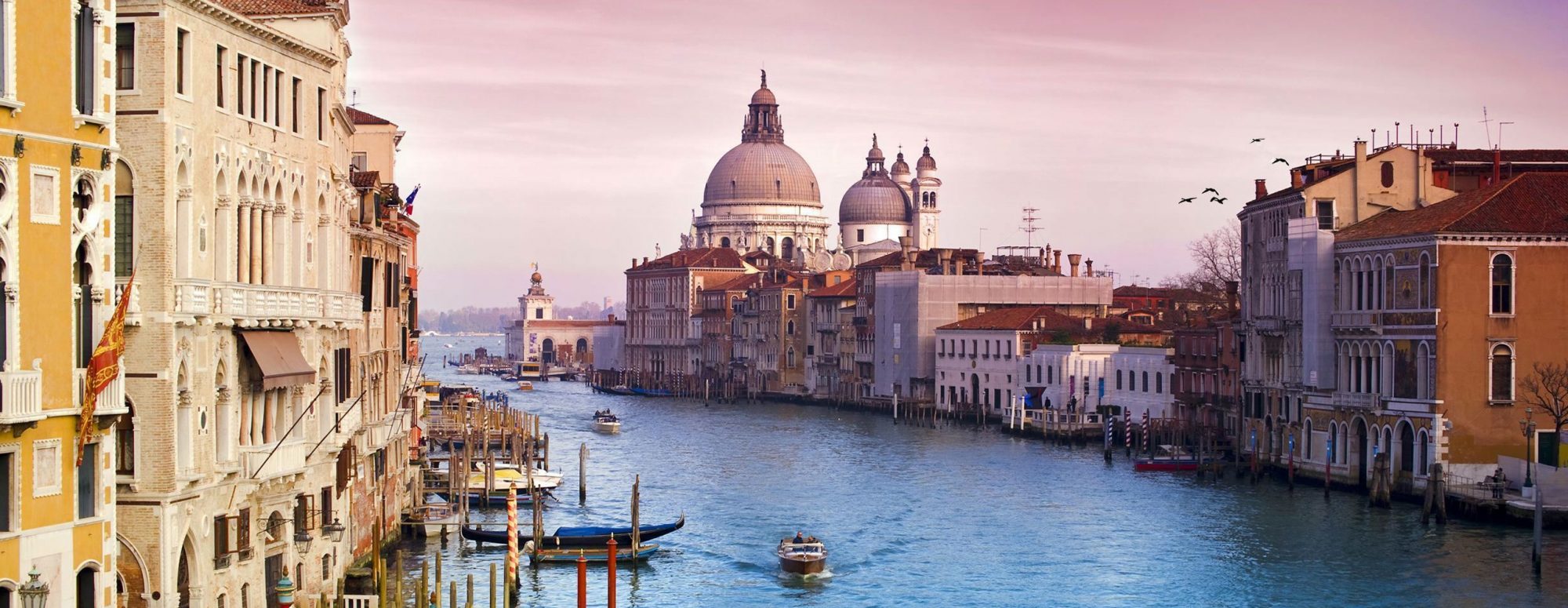
In the perspective of a writer who has never set foot in Venice, it’s the canals; the canals that intricately weave through every crevice of Venetian culture and geography. Venice is a city in Neptune’s grasp. And it is the ever-present element of water that has become the city’s most prolific symbol.

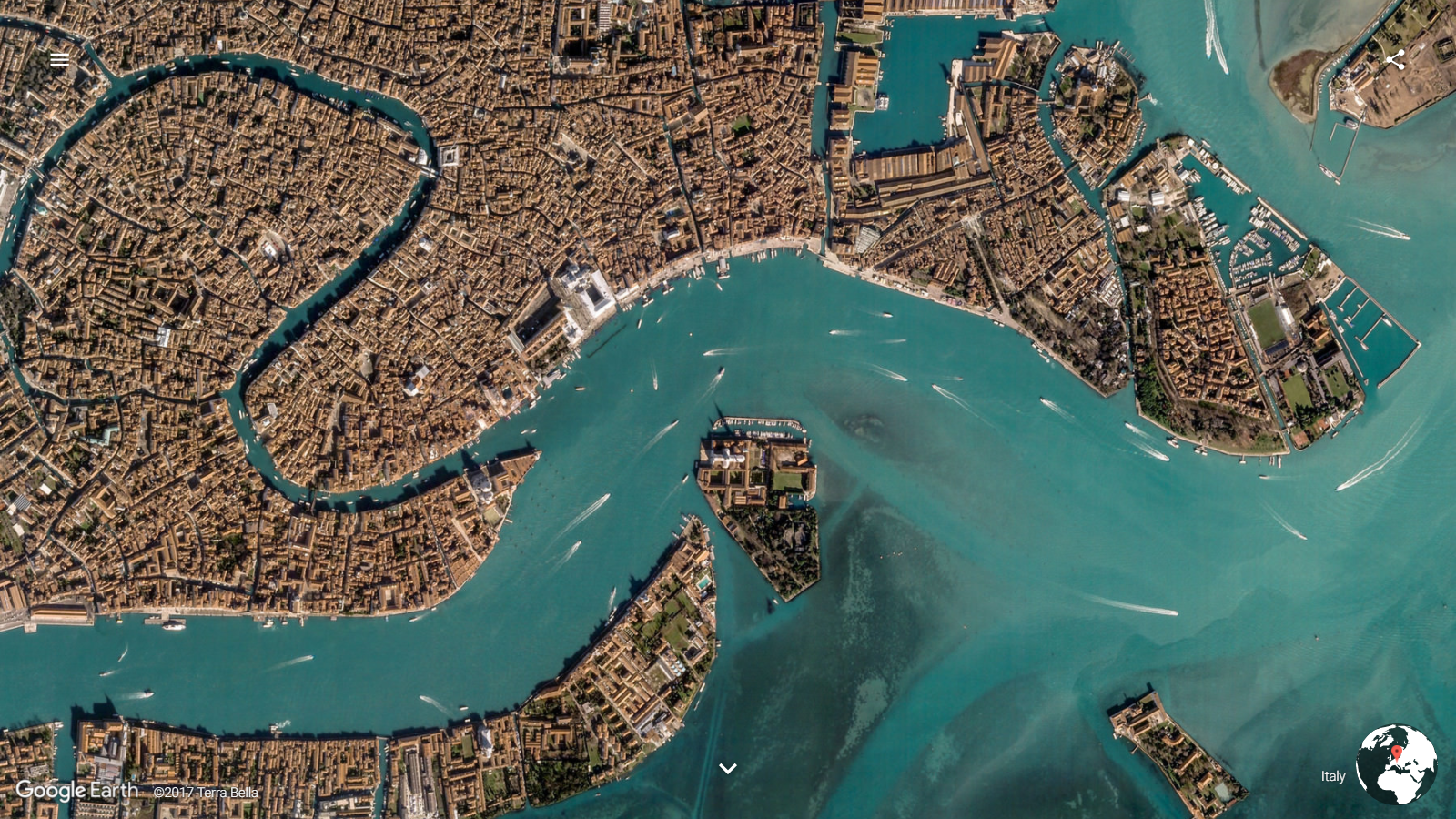
Despite its status as one of the more iconic and influential cities in Southern Europe, Venice is small. This “Floating City”, as it is sometimes referred to, occupies and consist mainly of 118 smaller islands, interconnected by a series of waterways and bridges.

Yet, despite a network of over 400 bridges, very few – if any – are fit for anything other than people. Thus, even in the 21st century, Venice operates completely without cars. Wholly unique and spectacular to any traveler visiting – or even researching – the Italian city are boats and canals in place of cars and roads.

The canals of the city are therefore more than just a landmark or a novelty. The water that surrounds and binds the city also paints and proliferates Venetian culture. So, while the city, its history and spirit, has ebbed and flowed through time, it is the canals that have remained (relatively) still and emblematic of this small collection of Italian islands called Venice.

Perhaps even more so than the people, their lifestyle, and culture, the Venetian waterways are more symbolic of the city than anything one might find on land.

In many ways, Venice belongs to the canals perhaps more than the canals belong to Venice.