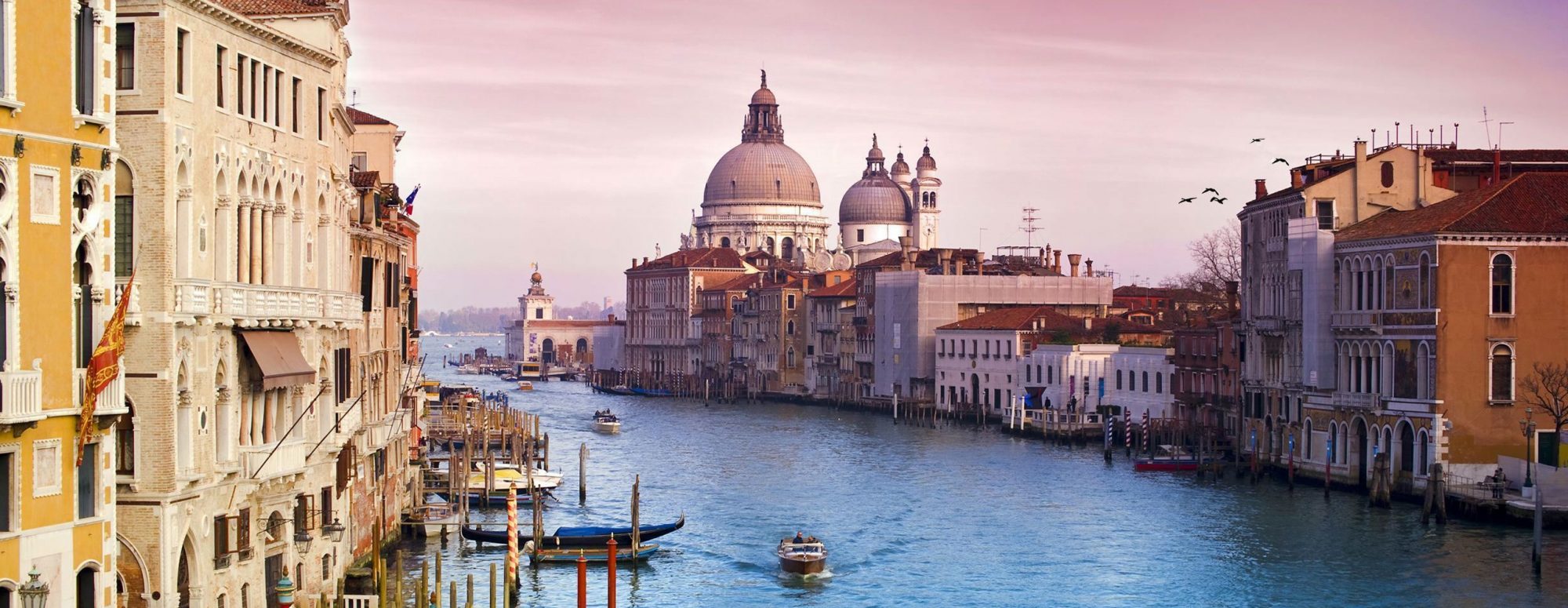
What defines Venice? Is it the gondolas that serve as public transportation for the Venetian populous? Or, is it the seafood that attracts travelers, feeds locals, and fuels the economy?
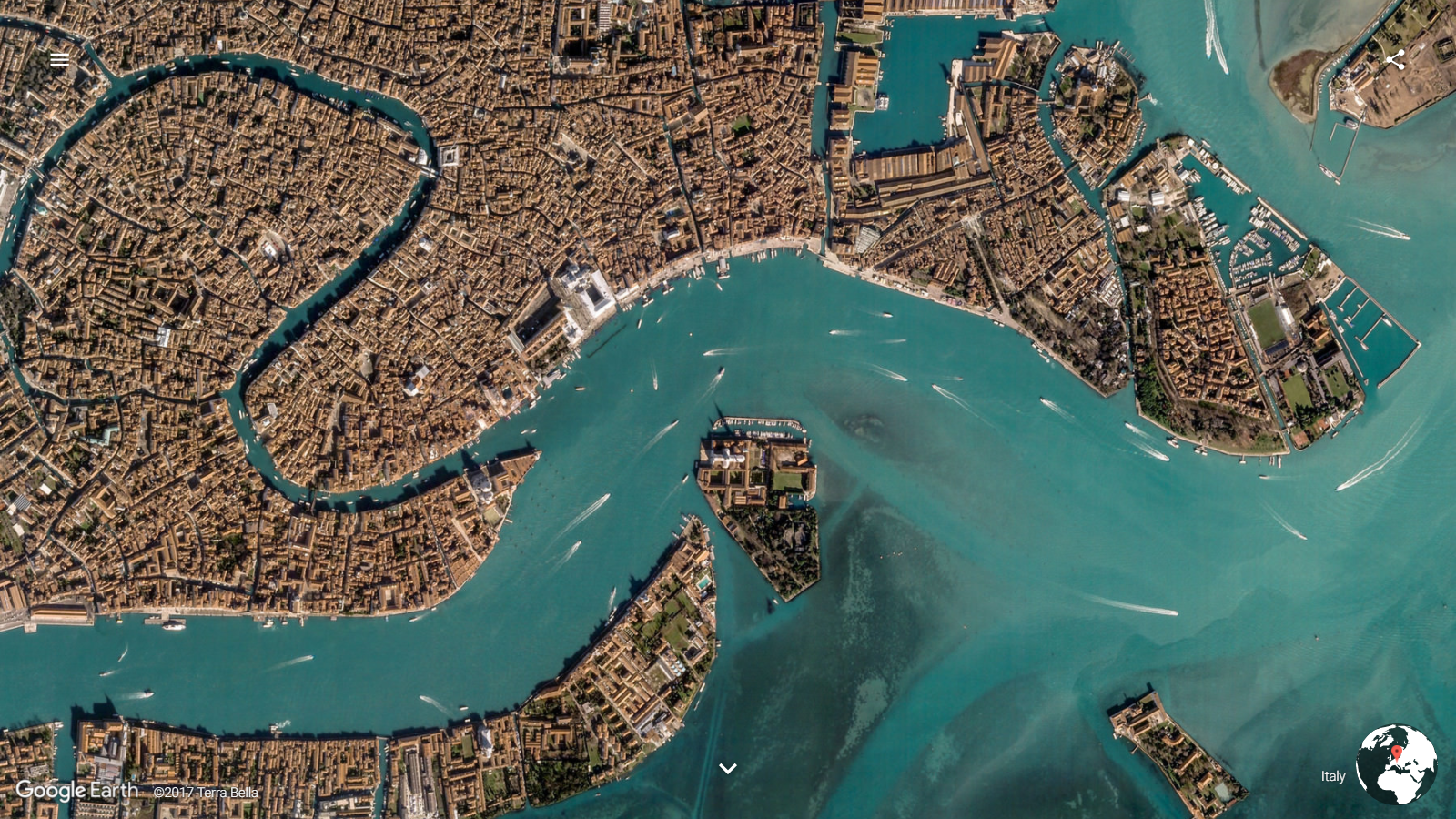
In the perspective of a writer who has never set foot in Venice, it’s the canals; the canals that intricately weave through every crevice of Venetian culture and geography. Venice is a city in Neptune’s grasp. And it is the ever-present element of water that has become the city’s most prolific symbol.
Despite its status as one of the more iconic and influential cities in Southern Europe, Venice is small. This “Floating City”, as it is sometimes referred to, occupies and consist mainly of 118 smaller islands, interconnected by a series of waterways and bridges.
Yet, despite a network of over 400 bridges, very few – if any – are fit for anything other than people. Thus, even in the 21st century, Venice operates completely without cars. Wholly unique and spectacular to any traveler visiting – or even researching – the Italian city are boats and canals in place of cars and roads.
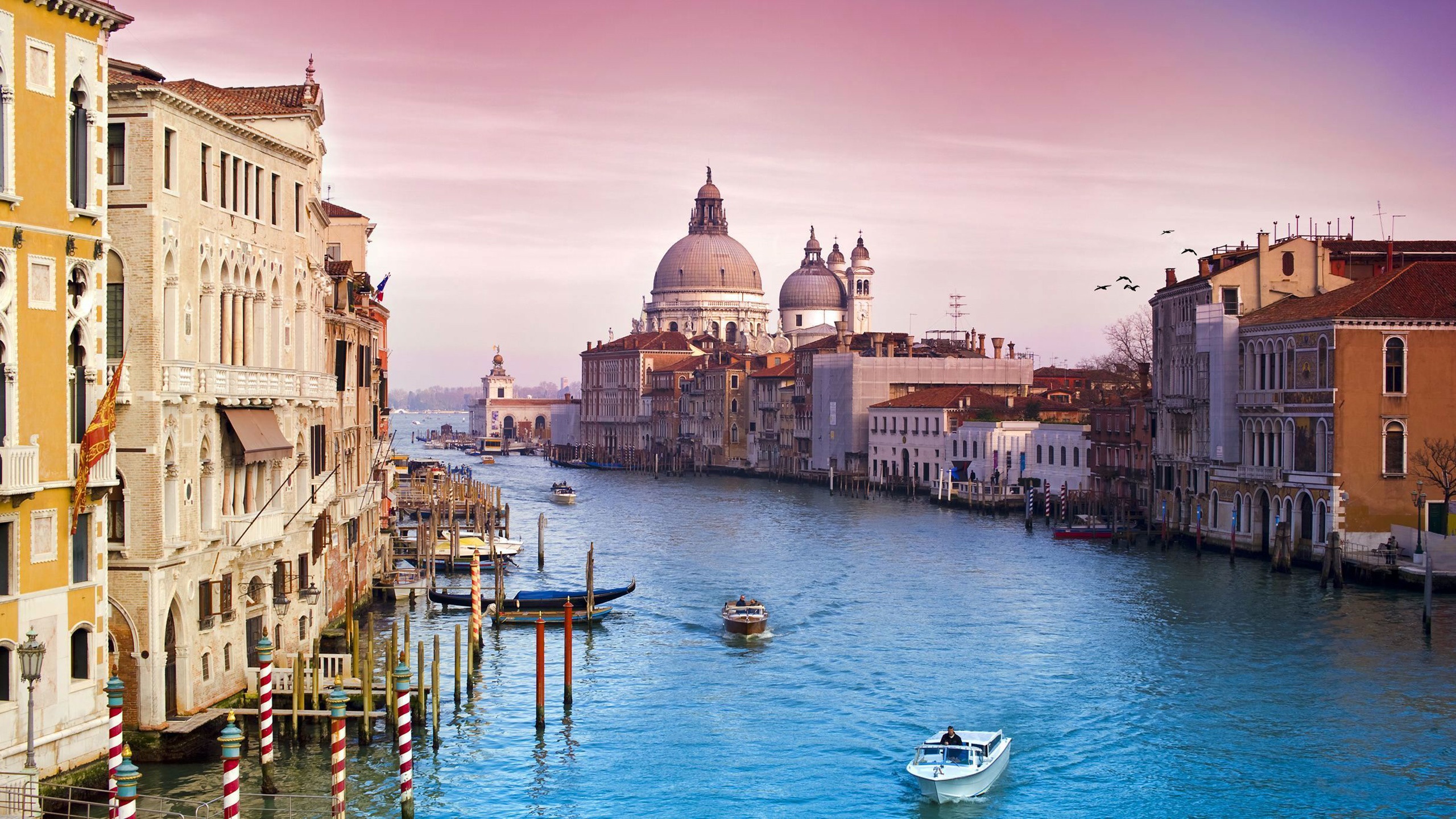
The canals of the city are therefore more than just a landmark or a novelty. The water that surrounds and binds the city also paints and proliferates Venetian culture. So, while the city, its history and spirit, has ebbed and flowed through time, it is the canals that have remained (relatively) still and emblematic of this small collection of Italian islands called Venice.
Perhaps even more so than the people, their lifestyle, and culture, the Venetian waterways are more symbolic of the city than anything one might find on land.
In many ways, Venice belongs to the canals perhaps more than the canals belong to Venice.
 Venice, detoured
One thought on “In Neptune’s Grasp”